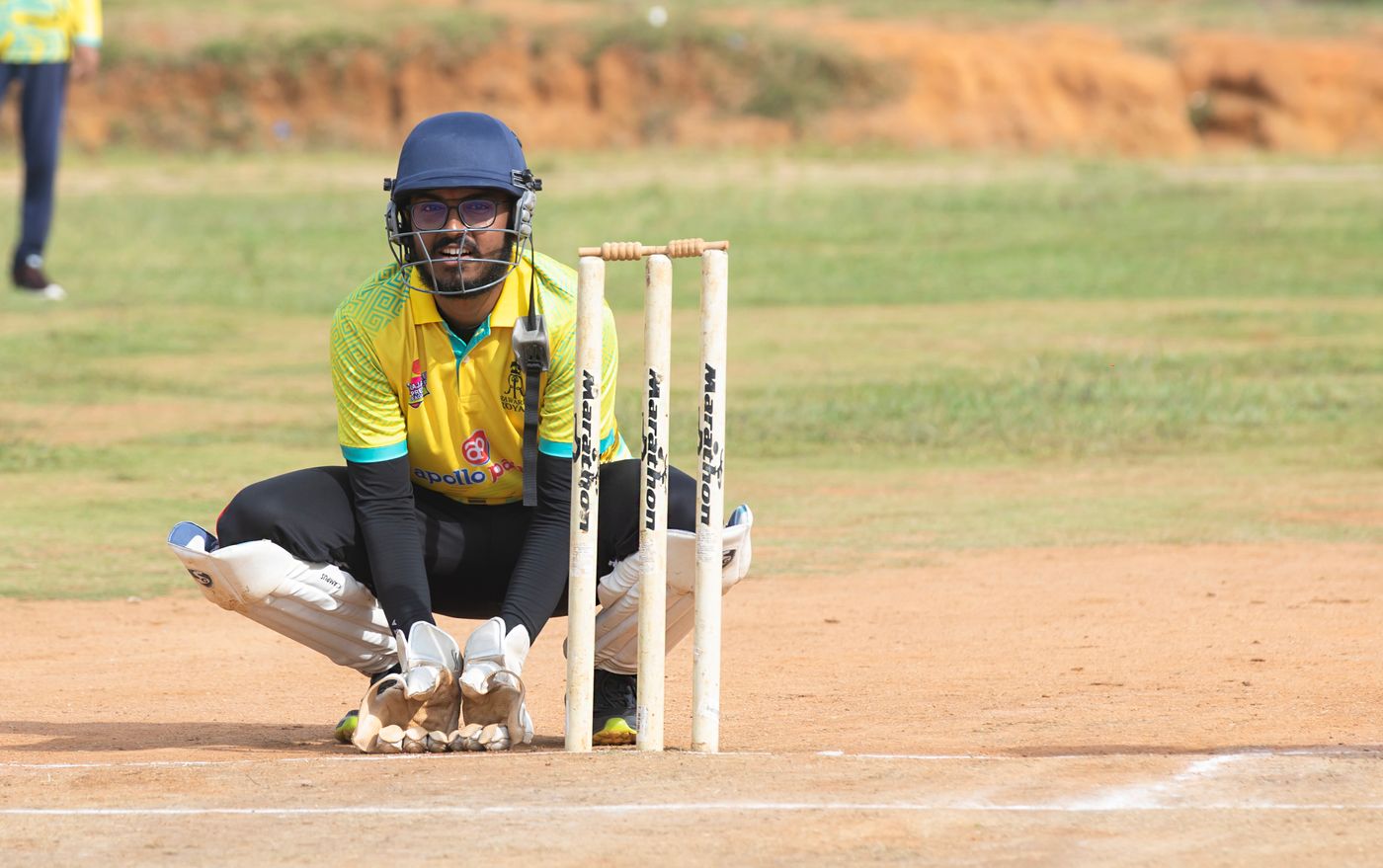
A keeper’s first three jobs after the ball passes the bat
First, follow the ball into a manageable receiving area and establish possession. Second, recognise whether the situation actually offers a lawful dismissal or simply calls for retaining control. Third, complete the return and prepare for the next delivery. The order matters because a beginner can lose an ordinary take while looking for a foot outside the crease. A tidy routine delivery with no extras is a useful contribution even when nothing appears on the individual wicket column.
Separate fielding returns from delivered balls in early practice. A return from cover can require moving behind the wicket and choosing an end; a delivery from the bowler asks for reading line, bounce and possible contact with the striker. Both end in the gloves, but they supply different information. Practising one calm action at a time helps the player understand the role without making every receipt a rushed attempt to remove the bails.
Know when you must remain behind the wicket
Under MCC Law 27.3 as amended for 2026, the keeper must be wholly behind the striker’s wicket from the instant of delivery until the ball touches bat or person, passes that wicket, or the striker attempts a run. This is separate from choosing a useful receiving distance. In practice, check the keeper’s starting view and then rehearse a gentle receipt without reaching forward early merely to make a later wicket action shorter. Standing close should never be used as a substitute for understanding when collection and movement become lawful.
What equipment does a beginner wicketkeeper need?
The answer depends on ball type, age, competition and position. Hard-ball keeping requires appropriate keeper gloves, pads and other protection required for the circumstances. A helmet can be particularly relevant when standing up. Ask a qualified coach and follow the relevant safety requirements instead of using a general equipment list as permission for every drill.
Should beginners stand up or stand back?
Start at a distance where the delivery can be watched and received with control. Standing up to the stumps reduces time and changes both technique and equipment needs. Standing back introduces judgement of carry and sideways movement. These are different skills; move between them through suitable practice rather than treating standing up as an automatic sign of progress.
Build a receiving foundation
Adopt a comfortable ready stance, keep a clear view and move your feet to support the ball’s line. Let the hands receive the ball instead of snatching at it. Start with predictable underarm feeds, then add bounce and angle gradually. A clean take at gentle pace is a better foundation than surviving erratic fast deliveries.
Build the first session around information the player can use
Use a suitable soft ball with a feeder who can repeat a gentle line. Begin with direct receipts, then introduce a predictable bounce. Ask the keeper which part is difficult: seeing the ball, reaching its line or keeping it in the gloves. An observer should answer the same question from outside the ball path. This gives two descriptions of the task rather than a general judgement about talent.
If the player sees and reaches straight feeds but loses bouncing ones, keep distance and speed modest while learning how the hands follow the bounce. If the difficulty is a late sideways step, isolate that movement before adding a wicket action. Finish with a routine return to a stationary target and a reset into the original line. Note the successful feed conditions so the next session can begin with the same reference. A handful of confident soft-ball takes does not establish readiness for standing up to hard-ball spin or receiving fast edges; those require an appropriate separate progression.
Communicate in short useful messages
The keeper can see the striker and much of the field, but constant commentary does not necessarily help. Use agreed calls about the return end, a shared catch or a position change. Avoid distracting a teammate during release or giving multiple technical corrections between every ball. Discuss the plan with the captain during breaks. A useful keeper helps the field understand the next action while remaining focused enough to receive the delivery and respecting the opponents and officials.
Understand what belongs to the keeper’s record
A catch credited to the keeper and a stumping are different dismissal entries, while a run out can involve the keeper without being a stumping. Receiving a ball that passed the striker does not itself create a wicket. Learn the scorecard language alongside the skill so a good action is described accurately. If the striker is safely grounded, securing the ball and preventing extras is a successful outcome. Beginners do not need to force a dismissal attempt on every delivery to show that they are contributing.
A useful question after the first match
Ask which type of delivery was hardest to receive and whether the difficulty repeated. A low ball that failed to carry needs a different response from an edge outside the comfortable reach. Record the bowler type and starting distance so practice can reproduce a suitable version. Avoid a global judgement such as not a natural keeper after one outing. The role combines several learnable tasks, and the next session should target an observed issue while respecting equipment needs, comfort and the player’s actual experience.
A practical example
For a first session, use ten straight soft-ball feeds, ten gentle bouncing feeds and a short set of controlled returns to the wicket. Record clean receipts rather than only counting balls that did not escape.
Sources & scope
These are general skill explanations and illustrative practice suggestions. Adapt to the player, ball, surface and available supervision. Use suitable protective equipment for hard-ball practice; a qualified coach can assess individual technique.