Independent cricket guides · No live-score noise · Just the game
Your next innings starts here

Understand the game.
Enjoy it more.

From your first over to your next club match. Clear cricket guides, useful calculators and thoughtful advice on the kit you choose.

Practical, evergreen guidesFree tools, no sign-up
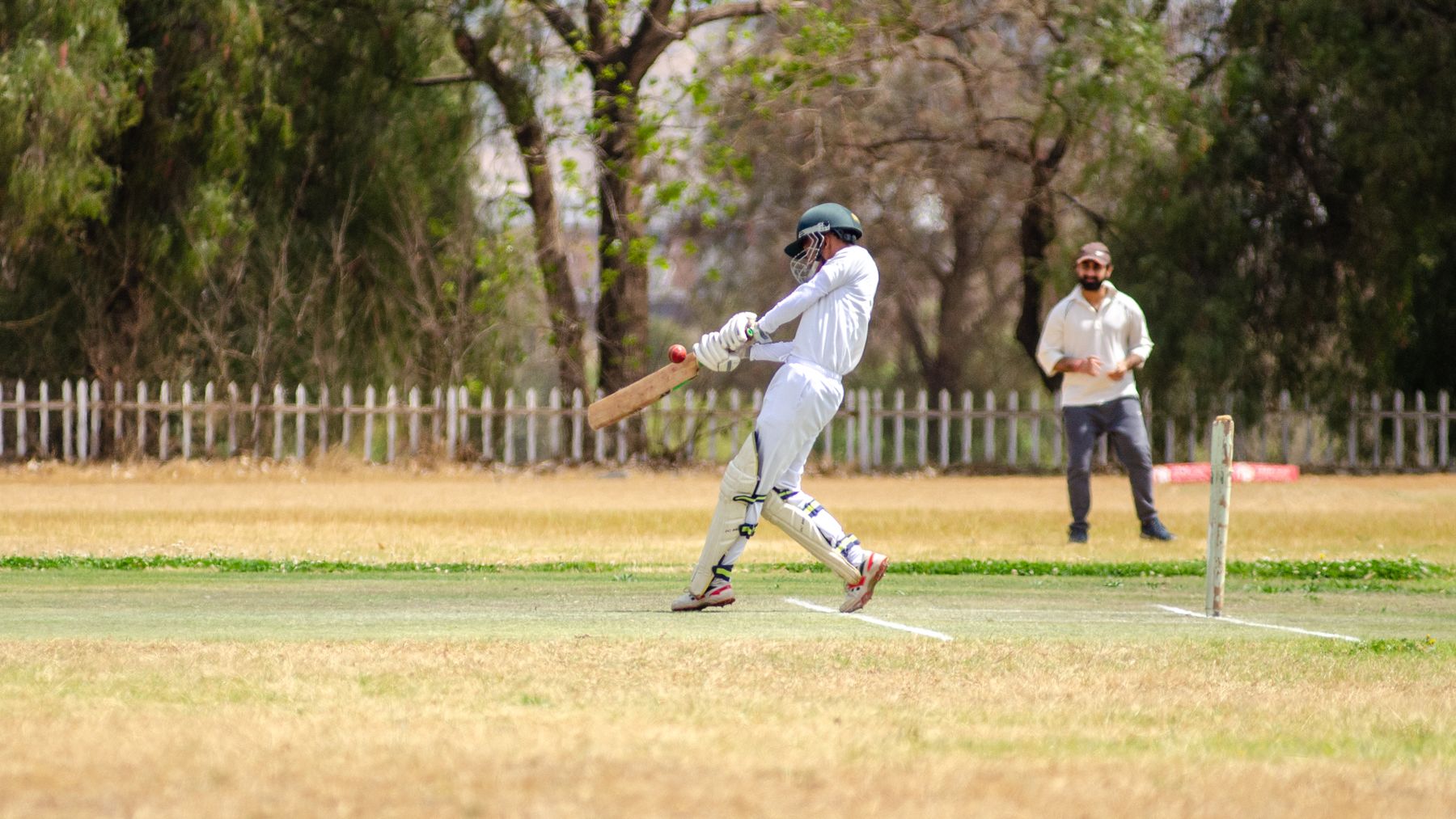
A helmeted cricket batter in white plays a shot on an outdoor pitch.
Photo: Steward Masweneng / Pexels
A GAME WORTH UNDERSTANDINGThere’s always more
to cricket.
We’ll help you find your way in.
01 / THE GAME
A good place to begin

Get to know the game.

All learning guides
Start here10 min read

Cricket rules for beginners

Cricket is a contest between a team trying to score runs and a team trying to take wickets and limit those runs. Start with one delivery, then build up to an over, an innings and a match. A bowler delivers toward the striker at the opposite wicket.

Read the guide
Start here9 min read

How to read a cricket scorecard

A scorecard combines the team total with individual batting and bowling records. Read the team line first, then inspect the entries that explain how that total was made. The familiar runs/wickets format shows runs scored and wickets lost, although some Australian displays reverse the order.

Read the guide
Rules & scoring5 min read

LBW explained: follow the ball, not the appeal

Leg before wicket is a conditional dismissal, not a rule that every ball touching a pad is out. Work through the ball’s path and the batter’s action before considering where it would have gone. A no ball cannot produce an LBW dismissal. For a qualifying ball, consider where it pitched, where it first struck the person and whether it would have hit the wicket.

Read the guide
Batting5 min read

How to hold a cricket bat: grip, pressure and control

A useful batting grip lets the bat travel where you intend without making the forearms rigid. Start with a comfortable two-handed grip, then judge it by the straightness of the bat face, your balance and the shots you can repeat. There is room for individual variation.

Read the guide
Fielding5 min read

Cricket fielding positions: names, angles and purpose

Fielding positions describe an area and a relationship to the striker, not permanently painted spots on the grass. Learn the off side and leg side first, then add distance and angle. This lets you understand an instruction even when the captain adjusts you a few metres.

Read the guide
Start here5 min read

Test vs ODI vs T20: the formats explained

The main formats share batting, bowling and fielding skills, but give teams different amounts of time and different routes to a result. The format changes how a sensible score and a sensible risk are judged. A scheduled Test can last up to five days and normally allows two innings per team.

Read the guide
The numbers, without the guesswork

A little help with
the cricket maths.

Useful tools, clear formulas and worked examples. Everything runs right in your browser.

All calculators
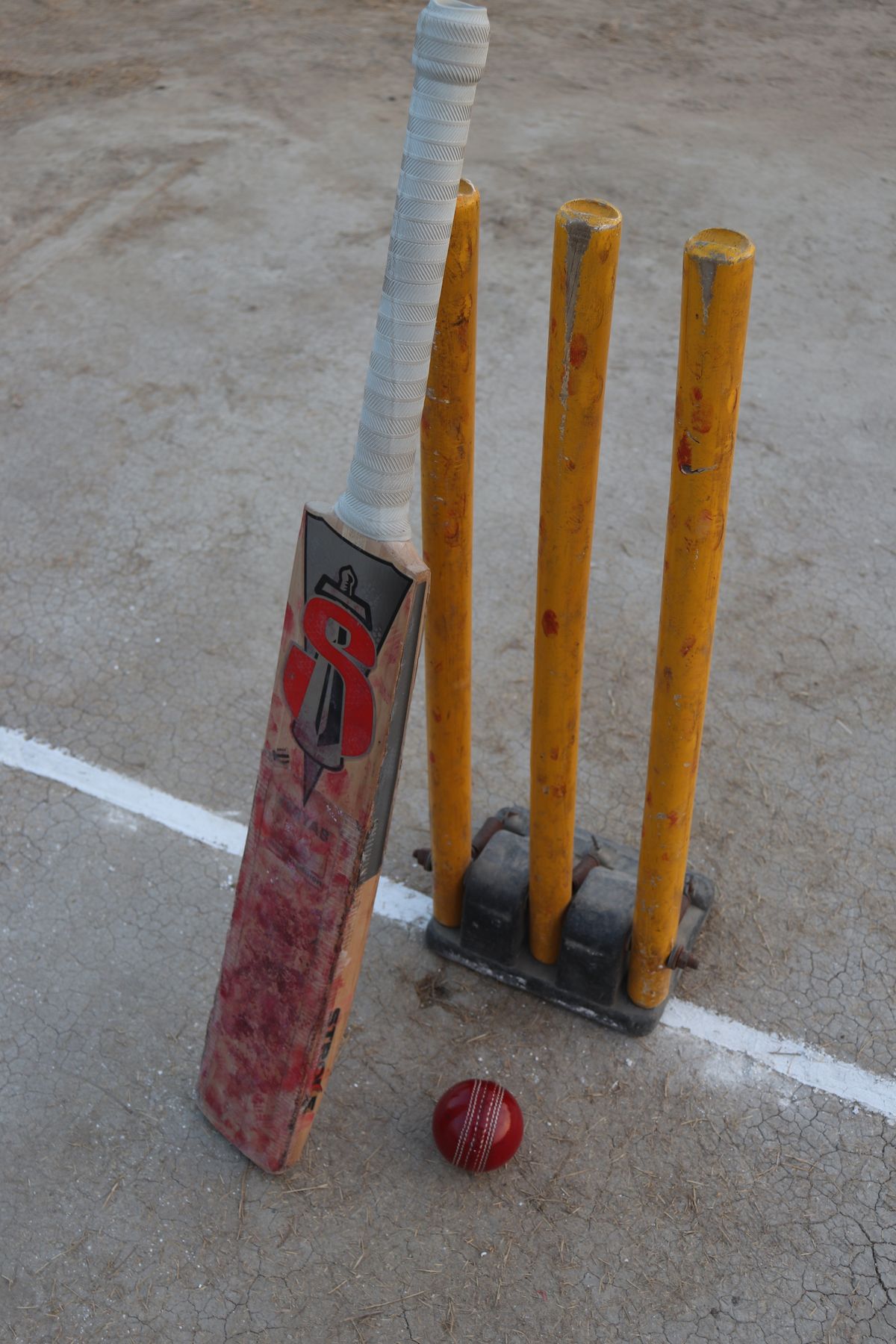
A used cricket bat leans against portable yellow stumps beside a red cricket ball.
Buy with understanding

The right kit starts
with the right questions.

Size, pickup, surface and the ball you play with. Understand what matters before you choose your next piece of cricket equipment.

Explore gear guides

Photo: Imtiaz Ahmed / Pexels

Useful beyond match day

Lasting explanations and practical skills, without a stream of yesterday’s headlines.

Clear about our sources

Rules checked against official references. Examples clearly separated from real match records.

Real photography. Honest advice.

Licensed photographs, transparent credits, and no invented product tests or professional endorsements.

What would you like to learn?

Search rules, techniques, equipment and tools.