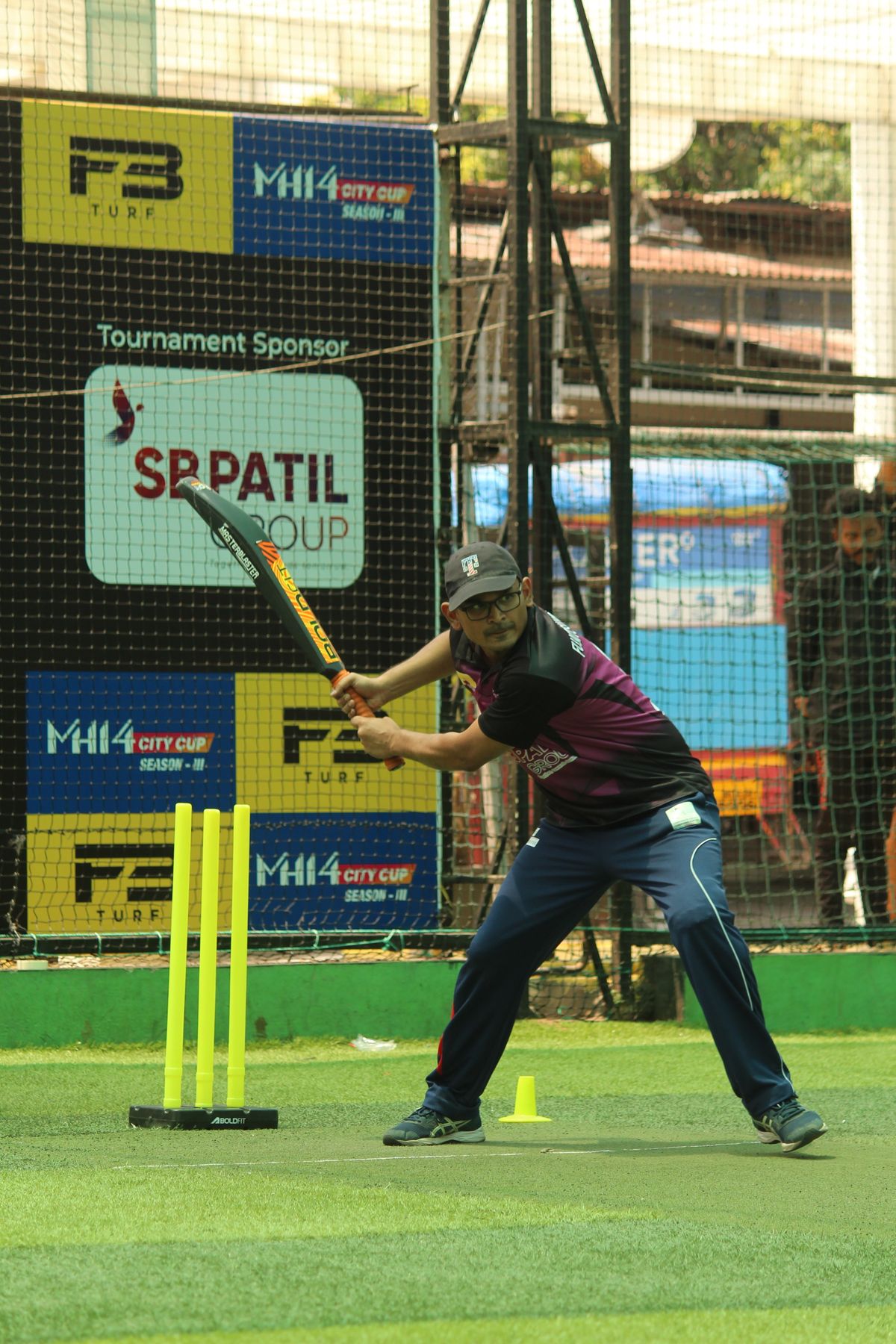
Choose a yard activity from the space left after a miss
Measure the activity’s possible miss, not only its intended path. A gentle target throw still needs space behind the target; a bat swing needs a clear arc even before a ball is struck. If the available area cannot contain those ordinary mistakes, remove that task. A soft ball reduces some demands but does not make windows, pets or other participants irrelevant. The yard can support a useful single skill without pretending to be a miniature full ground.
| Situation | Useful question | Response to compare |
|---|---|---|
| No clear bat swing | Can a ball-free movement remain entirely within a clear area? | Use a controlled stance-and-finish task rather than striking. |
| Clear short return lane | Is there room beyond the target for a miss? | Use gentle pickup and underarm accuracy. |
| Suitable gentle catching area | Can both players move without obstacles or crossing paths? | Use repeatable soft feeds with a ready signal. |
Use controlled skills
Short catching exchanges, rolled ground-fielding pickups and shadow batting can suit a small yard. A target for gentle underarm returns can develop accuracy without requiring a long run-up. If the space cannot accommodate a full swing plus a clear ball path, choose a non-striking task rather than trying to shorten every stroke artificially.
A small-space circuit that runs one activity at a time
Use the same area sequentially, so catching and throwing do not cross a batting movement. Begin with a ball-free balanced finish. Put the bat aside before moving to gentle self-tosses or partner receipts. Collect the ball and reset before using a short marked return target. Each task has its own score: controlled finishes, clean takes or reachable returns. Do not add them together as if they measure one overall cricket ability.
An invented family session might find the return target works well but every struck ball leaves the clear space. Keep the return task and remove hitting rather than turning departure from the property into a scoring bonus. Explain which rules are local adaptations. A one-bounce catch can be an enjoyable house rule, but it is not an ordinary caught dismissal in formal cricket. Let participants request an easier feed or pause, and revise the activity when weather or another person changes the space. The circuit succeeds by fitting the actual yard, not by completing every cricket skill in one afternoon.
Create a useful scoring system
Count a clean pickup and accurate return separately. For catching, distinguish clean receipts from juggles. For shadow batting, hold the finish and check balance. Use achievable tasks that produce feedback, not a competition that rewards striking harder toward the edge of the property.
Can backyard practice prepare you for club cricket?
It can support particular skills, especially coordination, handling and controlled movement. It cannot reproduce the bounce, pace, running distances or rules of a full match. Treat it as a supplement and test skills later in an appropriate club setting. Be clear about the difference between a fun informal rule and the formal game.
How to adapt drills for children
Use age-appropriate equipment, shorter tasks and active adult supervision. Make the success condition simple, such as stopping the ball inside a marked area. Let the child reset and choose a manageable challenge. Avoid using a hard ball or demanding a full bowling action where the space, confidence or preparation is unsuitable.
What if there is no safe hitting direction?
Skip hitting. Practise ball-free footwork, gentle self-toss catches or target returns that remain inside the clear area. A practice session does not need every cricket skill to be valuable. Change the plan if conditions deteriorate, the ground becomes slippery or another person enters the space.
Write house rules that suit the available space
Agree a small number of house rules before starting. For example, a family soft-ball game might award a point for a controlled hit through a marked ground-level gate, stop play when the ball leaves the clear area, and allow the player to choose a gentler feed. Those are local practice rules, not formal cricket scoring. Explain who retrieves balls and when everyone must stop. Avoid a bonus for clearing a fence or a rule that makes a child rush toward an obstacle to prevent losing points. If a participant cannot explain the scoring and stop rule, simplify them before play. Clear house rules can make a small-space game fair without pretending it reproduces a full match.
Adjust to surface and weather rather than forcing the plan
Wet grass, uneven paving and low light can make a familiar exercise unsuitable. Check before starting and again if conditions change. A drill that was manageable yesterday is not automatically appropriate today. If footing is uncertain, replace running pickups with a stationary soft-ball task or stop. Do not use a harder ball to compensate for a soft ball behaving differently on a damp surface. The purpose is controlled practice in the available environment, not completing an outdoor plan regardless of whether the yard can support it.
Make participation voluntary and the task understandable
For a family or mixed-experience group, explain the objective and allow an easier version. A child or new player should be able to ask for a slower feed or pause without being mocked. Use clear stop signals and ensure an adult supervises age-appropriate activities. A fun short game can still have a useful learning aim, such as watching a soft ball into the hands. Enjoyment does not require hidden hazards, surprise pace increases or rules that only the most experienced participant understands.
A practical example
Place a target on the ground in a clear area. Roll a soft ball, collect and send an underarm return toward the target. Ten repetitions provide a simple accuracy record without needing a wicket or a full pitch.
Sources & scope
These are general skill explanations and illustrative practice suggestions. Adapt to the player, ball, surface and available supervision. Use suitable protective equipment for hard-ball practice; a qualified coach can assess individual technique.